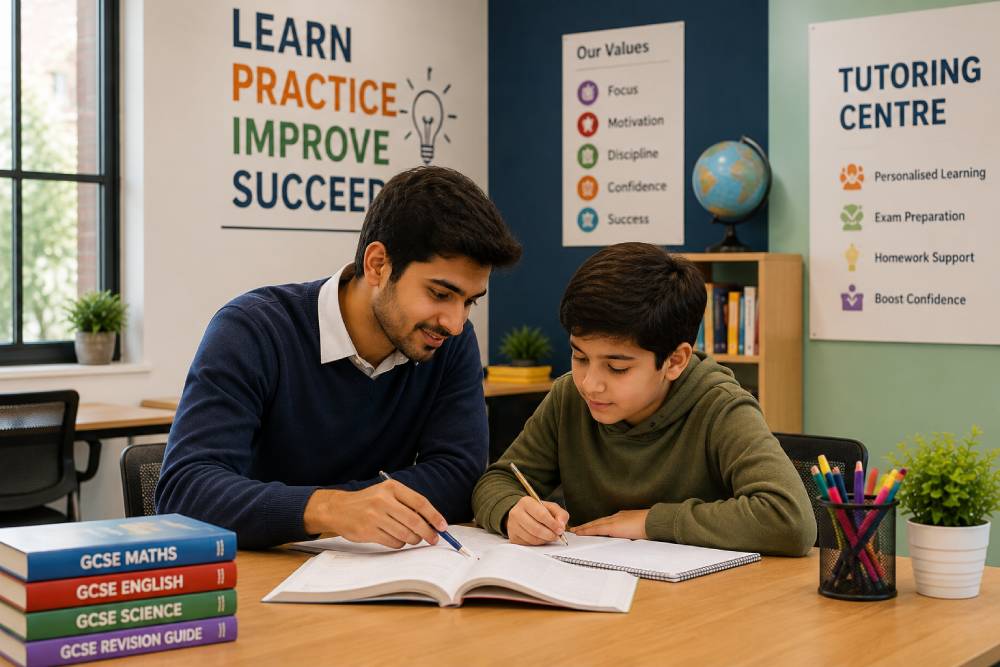
School days can be busy. Children transition between lessons, do homework, participate in activities, and meet social needs. For some pupils, it is sufficient. For some, additional after-school support may be the place and time where they receive the attention and understanding they require to grasp a challenging concept.
After School Tutoring can help children with English, maths, science, reading and exam preparation. It can also contribute to pupils' improved study skills and confidence in their skills. But not every child is a candidate for tutoring. The secret to helping your child is knowing what he or she requires and selecting assistance that is appropriate for his or her age, character, and objectives.
At school lessons are carried out after class time to provide pupils with additional opportunities to develop aspects of a lesson which they may not have understood. This is especially helpful if a child requires extra time or one on one.
| Tutoring Benefit | How It Helps Your Child |
|---|---|
| Personalised Support | Lessons can focus on your child's specific strengths and weaknesses. |
| Better Understanding | A tutor can explain difficult topics at a pace your child understands. |
| Improved Confidence | Regular practice can help children feel more comfortable with challenging subjects. |
| Homework Support | Children can learn how to approach homework independently and effectively. |
| Better Study Habits | Tutoring can teach organisation, revision, and time management skills. |
Unlike a busy classroom, tutoring can allow a child to ask questions without worrying about keeping up with everyone else. A tutor can also adjust the pace, spend more time on difficult topics, and provide extra practice where needed.
One of the main reasons parents consider tutoring is to help their children make better academic progress. A tutor can identify gaps in understanding and create lessons around those specific areas.
For example, a pupil struggling with fractions may not need to repeat an entire maths curriculum. Instead, the tutor can focus on fractions, practise different question types, and gradually introduce more challenging problems.
Tutoring can support:
The goal should be steady progress rather than simply completing more worksheets.
Academic difficulties can sometimes affect how children feel about themselves. A pupil who repeatedly struggles with maths, reading, or another subject may begin to believe they are simply "not good" at it.
Individual support can change that experience.
A tutor can break complicated subjects into smaller steps, celebrate progress, and give the child opportunities to succeed. As understanding improves, confidence often follows.
This is particularly important for children who are reluctant to ask questions in class. A supportive tutor can create a relaxed environment where mistakes are treated as part of learning rather than something embarrassing.
For families looking for after school homework help, tutoring can provide more than simply getting assignments finished.
A tutor can help a child understand what the homework is asking them to do and teach strategies they can use independently.
Useful support may include:
Parents should still encourage children to take responsibility for their own work. The tutor's role should be to guide learning rather than complete assignments for the pupil.
Parents searching for an after school tutor near me often prefer face to face lessons because they allow direct interaction and can be easier for younger children.
However, online tutoring can also be convenient. It removes travel time and gives families access to tutors who may not live locally.
The best option depends on your child's age, concentration, personality, and learning preferences.
This may suit children who:
This can work well for pupils who:
Neither approach is automatically better. A good teaching relationship matters more than the format alone.
There is no universal schedule that works for every pupil. The right frequency depends on the child's age, academic needs, and goals.
For some children, one lesson each week may provide enough support. Others may benefit from additional sessions before important exams.
Consider:
You don't want tutoring to become another source of stress. Children need time for rest, hobbies, friends, exercise, and family life too.
Finding a suitable tutor involves more than searching for someone with strong academic qualifications. The tutor also needs to communicate well with your child.
Look for someone with:
Ask how the tutor assesses a new pupil and how they plan lessons. A good tutor should be able to explain how they will identify learning gaps and measure improvement.
For pupils preparing for GCSEs or other formal qualifications, it is also sensible to check whether the tutor understands the relevant curriculum and exam board.
Tutoring can be valuable, but more lessons aren't always the answer.
If your child is already exhausted after school, adding several extra sessions could make learning feel overwhelming. Some children may also need a different type of support rather than more academic work.
Before arranging lessons, consider whether the main issue is:
Speaking with your child's school can sometimes help identify the best next step.
Parents don't need to become teachers to make tutoring more effective. A calm and supportive home environment can make a big difference.
Try to:
Regular communication with the tutor can also help parents understand what their child is working on and where further practice may be useful.
After School Tutoring can be a useful option for children who need additional academic support, greater confidence, or help developing stronger study habits. The most successful tutoring is personalised, age appropriate, and focused on genuine understanding rather than simply completing extra work.
Before choosing a tutor, identify your child's needs and consider whether face to face or online lessons would suit them best. Pay attention to teaching style, experience, communication, and your child's response to the lessons.
When the right support is provided at the right time, tutoring can help children approach schoolwork with greater confidence and become more independent learners.
Children can receive tutoring from a young age, but lessons should be suitable for their development. Younger pupils usually benefit from shorter, interactive sessions.
Yes. A suitable tutor can provide subject specific revision, exam practice, help with difficult topics, and guidance on answering different question types.
The ideal length depends on the child's age and concentration. Younger children may need shorter sessions, while older pupils can often manage longer lessons.
Yes, online tutoring can be effective when the child is comfortable with technology and the lessons are well structured. It can also offer greater flexibility.
Yes. A tutor can provide after school homework help by explaining difficult tasks, teaching useful study strategies, and helping children become more independent with their schoolwork.