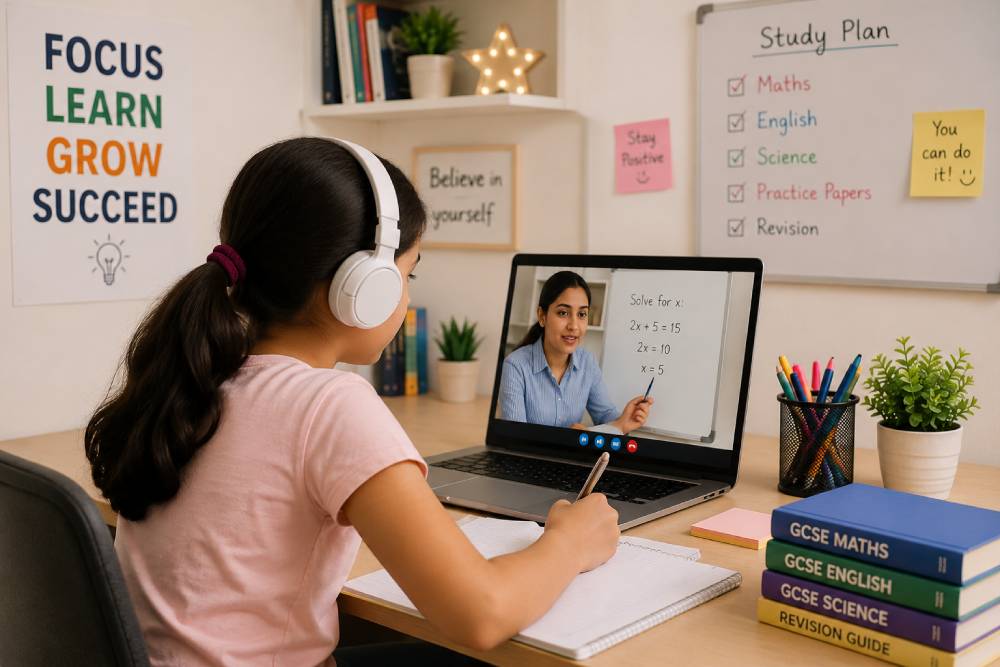
Technologies have altered the ways children learn. In addition to in-class instruction and in-person tutoring, families are now able to receive instruction from home via a computer or tablet with a teacher. This can be a great option for working parents who are pressed for time but want to offer additional academic assistance without taking time to commute.
But is Online Tutoring actually right for your child?
The answer is it depends on your child's age, personality, learning needs, concentration level and comfort with technology. Sometimes children excel through online learning as they appreciate the flexibility and personalised approach it provides. But for others, in-person learning can be more easy to focus on.
This article explores the advantages, obstacles, logistics, and inquiries parents should pose when deciding on online academic assistance.
Online learning allows children to receive academic support at home and much of their learning is adjusted to their needs. It can be very helpful if a pupil wants to practice for further improvement or if they are studying a specific area that they are unsure about.
Online tutoring can offer the flexible, personalized academic support that children need and save on traveling time, while helping to ensure they have access to well-appropriate tutors, even if they are not in your location.
The effectiveness of online lessons relies on the way the lesson is delivered to ensure that it is properly aligned to the child's learning style. If you have a well-structured lesson with an experienced tutor you may feel like you're on an interactive session instead of another video call.
Convenience is one of the primary benefits. Parent doesn't have to waste time and drive their child to a tutoring centre or to wait for lessons to end.
Other benefits include:
Not necessarily. Children have different personalities and learning preferences.
A child who is comfortable using technology and can concentrate independently may respond very well to an online tutor near me search, even if the tutor is actually based elsewhere. Online tutoring can remove geographical limitations, meaning parents can focus on finding the right teaching style rather than choosing someone solely because they live nearby.
However, younger children may need more supervision during online sessions. They might become distracted by toys, siblings, pets, or other activities around the house.
Before choosing online learning, consider whether your child can:
If the answer is generally yes, online tuition may be worth considering.
Most online tuition classes use video conferencing software combined with digital teaching resources. The exact format depends on the tutor or provider.
A typical lesson may include:
Some tutors use digital whiteboards, shared documents, quizzes, educational games, and screen sharing to make lessons more interactive.
Parents should ask about the technology before booking. A slow internet connection, unsuitable device, or poor audio quality can quickly make an otherwise good lesson frustrating.
Parents sometimes assume that online learning is only suitable for teenagers. That is not necessarily true.
Online tutoring for kids can work well when lessons are designed around their age and attention span.
For younger pupils, effective lessons may include:
A six or seven year old is unlikely to benefit from sitting silently in front of a screen for a long lesson. Younger children generally need active participation and regular encouragement.
Parents may also need to stay nearby, particularly during the first few sessions, to help with technology and keep the child on task.
Online tuition can cover many areas of the UK curriculum.
Common subjects include:
For older pupils, online lessons can be particularly useful for exam preparation because tutors can share past paper questions, revision resources, and digital exercises.
When choosing a tutor, parents should check that the teacher understands the relevant curriculum and, where applicable, the child's GCSE exam board.
Finding a tutor should involve more than checking availability and price. The tutor's teaching approach needs to suit your child's needs.
Look for:
It is also sensible to ask how the tutor measures progress. Regular assessments or feedback can help parents understand whether lessons are producing meaningful improvement.
Both formats can work well, but they offer different experiences.
| Feature | Online Tuition | Face to Face Tuition |
|---|---|---|
| Location | Learning from home | Tutor or centre location |
| Travel | No travel required | Travel usually required |
| Flexibility | Often highly flexible | Depends on tutor availability |
| Technology | Essential | Usually minimal |
| Interaction | Digital interaction | Direct physical interaction |
The right option depends on the child. Some pupils become more engaged online, while others learn better when sitting directly with a teacher.
Parents should avoid choosing a format simply because it is popular. The child's comfort and learning needs should remain the priority.
Online tutoring can be an effective option for children who need extra academic support, provided the teaching format matches their needs. Its biggest advantages are convenience, flexibility, personalised attention, and access to tutors without the limitations of geographical location.
However, online learning is not automatically suitable for every pupil. Parents should consider age, concentration, technology skills, personality, and learning preferences before making a decision.
Yes. Online tutoring can be effective when lessons are interactive, personalised, and delivered by a tutor who understands the child's age, ability, and learning needs.
There is no fixed age. Younger children can benefit when lessons are short, interactive, and supported by a parent when necessary.
Usually, a reliable internet connection, computer or tablet, microphone, camera, and suitable learning space are enough. Specific requirements depend on the tutor.
Prices vary between tutors and providers. Online tuition may reduce travel costs, but the lesson price depends on the tutor's experience, subject, and level of support.
Compare tutors based on relevant experience, qualifications, teaching style, availability, reviews, lesson structure, and how they assess and communicate student progress.